
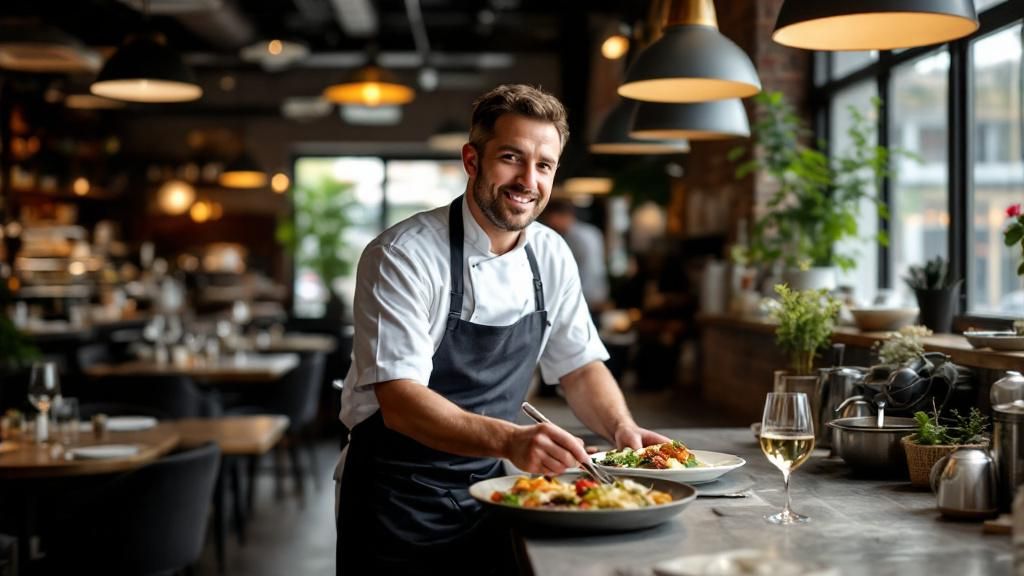
In a striking move that challenges conventional eating habits, a celebrated culinary figure has introduced an groundbreaking restaurant that prioritises environmental responsibility and community connection. This groundbreaking establishment eschews traditional distribution networks in favour of locally-sourced produce, whilst simultaneously fostering meaningful relationships with the local community. Discover how this bold initiative combines gastronomic excellence with ethical practices, setting a powerful example for the food service sector and demonstrating that upmarket restaurants can succeed without sacrificing on conscience.
A Modern Vision for Premium Dining
The contemporary fine dining landscape has traditionally characterised by exclusion and separation from its supply sources. However, this innovative restaurant radically transforms what upscale dining can embody. By emphasising openness and responsibility throughout its processes, the establishment demonstrates that culinary excellence and ethical responsibility are not incompatible pursuits. This significant transformation confronts established sector practices, proving that customers increasingly appreciate learning the source of their meals and understanding the broader impact of their food selections.
Rather than following the traditional model of haute cuisine, this venture champions a philosophy that champions regional producers and seasonal produce. The chef’s dedication to environmentally responsible methods extends beyond the kitchen, encompassing everything from waste reduction to reducing energy consumption. This comprehensive strategy appeals strongly to contemporary consumers who desire authentic encounters aligned with their values. By marrying gastronomic innovation with environmental stewardship, the restaurant creates a compelling blueprint for how the restaurant industry might evolve, proving that conscience and culinary artistry can flourish in harmonious partnership.
Buying from Local Suppliers
The restaurant’s dedication to sustainability begins with its thoughtfully assembled network of regional suppliers and artisanal suppliers. Rather than using conventional wholesale distributors, the venue has built strong partnerships with local farms, fisheries, and artisanal producers. This approach not only ensures superior ingredient standards and freshness, but also substantially decreases the carbon footprint associated with long-distance transportation. By supporting local suppliers, the restaurant guarantees that every dish embodies the authentic flavours and seasonal character of the local landscape.
These collaborative relationships extend far beyond simple business dealings. The chef regularly visits supplier sites to grasp production methods, discuss sustainability practices, and provide constructive feedback. This transparency builds mutual respect and allows producers to gain acknowledgment for their efforts. Furthermore, the restaurant features rotating menus that highlight seasonal availability, educating diners about the seasonal patterns of local agriculture. Such practices reinforce local ties whilst demonstrating that culinary excellence and ecological responsibility are entirely compatible objectives within the contemporary hospitality industry.
People at the Centre of the Establishment
The restaurant’s dedication to neighbourhood participation extends far beyond merely delivering outstanding food. Chef and proprietor have purposefully structured the space to function as a genuine neighbourhood hub, organising ongoing occasions that highlight neighbourhood creativity and foster authentic bonds amongst patrons. From culinary workshops presenting neighbouring producers to shared dining occasions with local organisations, the restaurant consciously develops an inclusive atmosphere where guests experience authentic belonging and respected as part of an extended family.
Educational programmes form a cornerstone of the restaurant’s community-focused philosophy. The venue frequently provides workshops covering sustainable cooking techniques, knowledge of nutrition, and environmental stewardship to people of all ages and backgrounds. By making culinary knowledge accessible and empowering individuals to make informed food decisions, the restaurant moves past its profit-driven purpose and acts as a force for constructive changes in behaviour throughout the local community, fostering lasting transformations in how groups approach dietary practices.
Furthermore, the establishment sustains robust relationships with local charities, food banks, and social enterprises, guaranteeing surplus ingredients benefit vulnerable populations. Staff members are strongly supported to volunteer within the community, whilst a percentage of profits contributes to neighbourhood programmes and environmental protection projects. This integrated model demonstrates that restaurants can run successfully whilst meaningfully contributing societal wellbeing and ecological sustainability simultaneously.
